Marketing in 2026: Output is Infinite. Trust Isn’t.
Output is basically free now.
Everyone has the tools. Everyone has the templates. Everyone has a perfectly acceptable first draft in 30 seconds.
So in 2026, marketing splits into two lanes:
Lane one is infinite content (fast, optimized, forgettable).
Lane two is fewer moves that earn trust.
And trust is the whole game.
The core shift: we’re leaving the “attention era” and entering the “proof era”
For the last decade, the default growth strategy was: publish more, distribute more, test more, optimize more.
But as feeds get clogged, people don’t just scroll past. They get suspicious. They post less. They retreat into private spaces. They look for signals that a real person made a real choice.
That “posting less” pattern is already visible: Gen Z is “posting zero,” leading a broader drop in social activity as feeds get crowded with ads and AI-generated content. Source
So the question for B2B in 2026 isn’t “how do we produce more?”
It’s how do we show proof of competence, humanity, and credibility.
The new flex is being unmistakably human
For a long time, “professional” was the goal. Clean design. Polished copy. Perfect brand voice.
Now? Polished is starting to read as generic. Or worse… synthetic.
And people are actively trying to escape algorithmic feeds and performance culture. The whole “posting less” / “posting zero” shift isn’t just a vibe. It’s a trust and fatigue response to feeds drowning in ads and AI content. YPulse
So brands are going to need to show up like a person again.
Not “personalization” that looks like an AI scraped your LinkedIn.
I mean human in a way that can’t be replicated at scale:
a brand system with actual taste (not trend-chasing templates)
physical activations / swag that feels like someone cared
moments that create stories people repeat
If it feels like it could’ve been made by anyone, people will treat it like it’s for no one.
Use AI, just don’t be sneaky about it.
Nobody is saying “don’t use AI.” Honestly, you’d be silly not to. But 2026 is going to punish brands that try to dupe people.
The move is to use AI with intention; either behind the scenes for speed, or front and center as part of the creative.
A perfect example: Dollar Shave Club running a campaign made with AI… to make fun of AI (and corporate marketing nonsense).
It’s loud, it’s absurd, and it invites you in on the joke instead of trying to pass as real. Ad Age
That’s the energy.
Sneaky AI feels slimy. Transparent AI feels smart.
Position for Preference, Not Awareness
As content becomes infinite, meaning becomes scarce.
AI can write.
AI can design.
AI can summarize.
It can’t decide what you stand for.
It can’t feel tension.
It can’t build emotional stakes.
In a world where everyone can publish instantly, awareness stops being the goal.
Preference is.
And being chosen > being seen
This is where positioning does the real work.
If your positioning is weak, AI will just help you say the wrong thing faster.
Or worse, say the same thing as your competitors.
In 2026:
Clear POV beats content volume
Story beats syntax
Emotion beats efficiency
Strong brand positioning doesn’t just explain what you do.
It helps customers develop a preference for you.
It gives them language for why you feel different, even if your features look similar on paper.
Volvo is to safety what Subaru is to the outdoors.
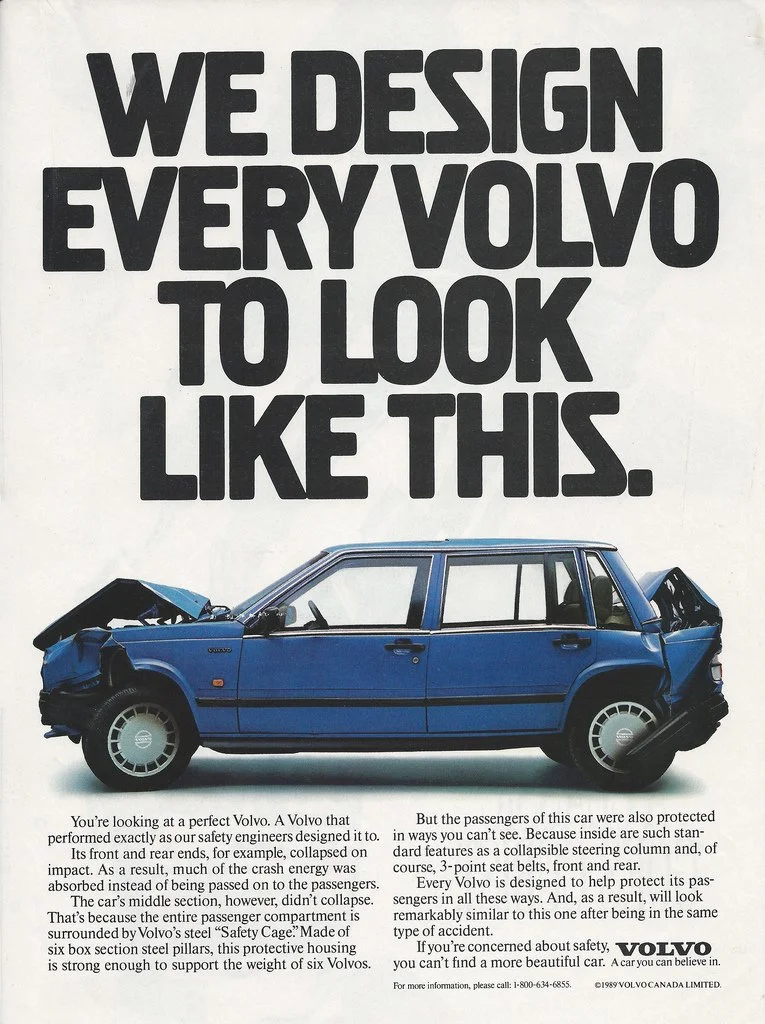
Source: supermotors.net
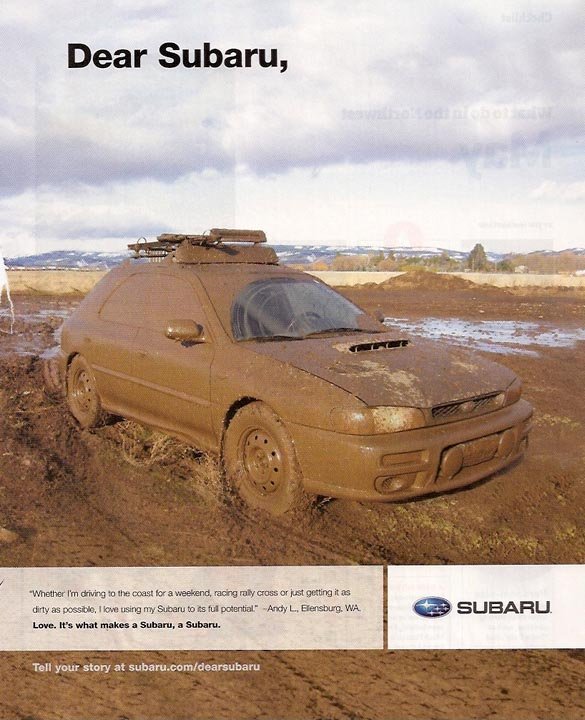
Source: Dirty Subaru Impreza magazine ad from June 2010
Does that mean Subaru is unsafe? Of course not.
Does it mean Volvos can’t drive in the mountains? Also no.
It’s a lane.
A story.
A clear brand position that makes the choice feel obvious.
And here’s the tell that this matters more than ever:
“Storytelling” job positions are popping up everywhere and paying top dollar, especially at AI and tech companies.
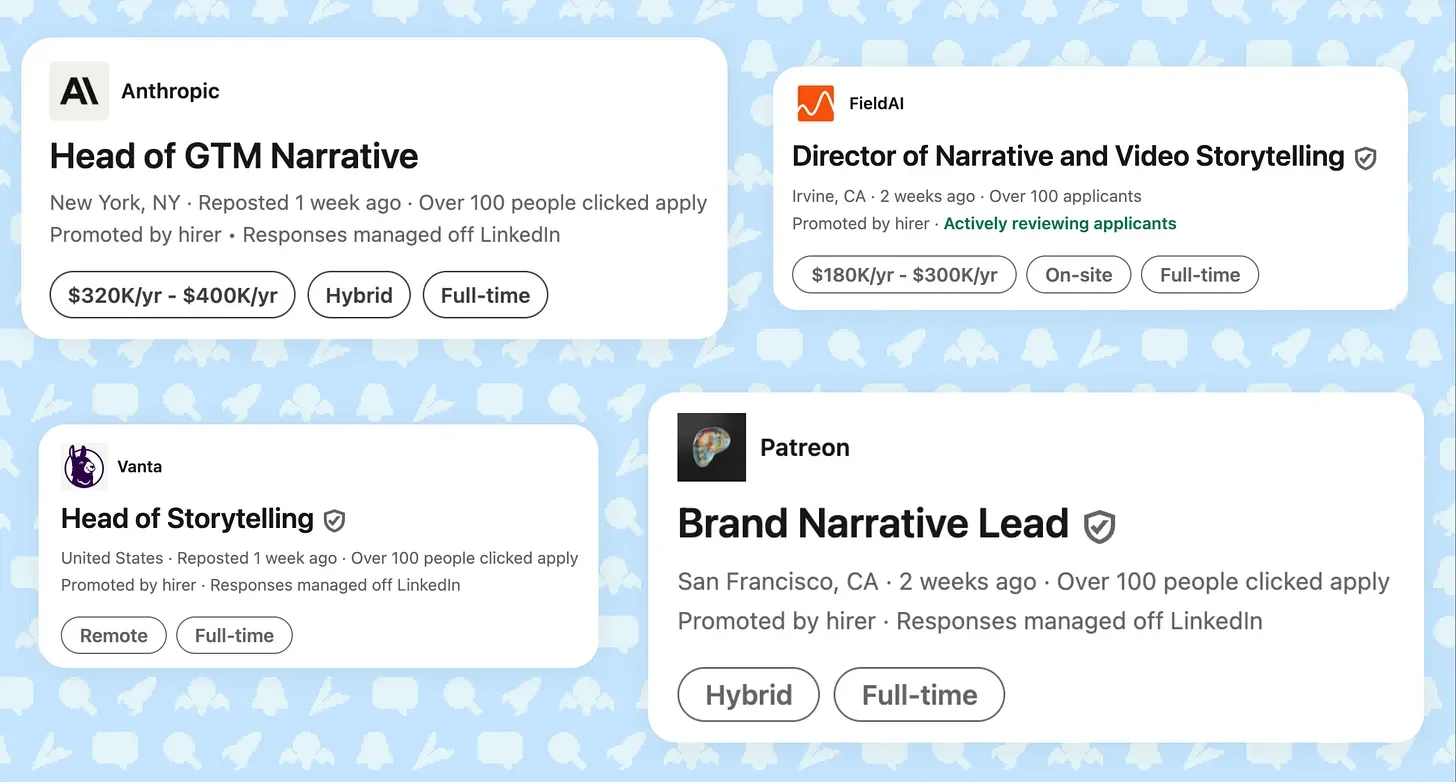
Thanks to Tom Orbach for calling this out in his awesome newsletter: Marketing Ideas
Anthropic is reportedly offering up to $400k for a Head of Storytelling role. Not engineering. Not research. Storytelling.
In a market flooded with LLM competitors that all sound increasingly similar, that move isn’t random. It’s strategic.
Because when the technology converges, the story becomes the differentiator.
That’s not a coincidence.
That’s a trend.
And it’s one worth paying attention to.
When Perfection Signals Deception, Bring On the Grunge
AI-generated images have created what researchers call an "uncanny valley" effect for visual content. When images become too perfect, too smooth, too symmetrical, too polished, our brains start sending warning signals.
According to consumer research, three-quarters of consumers globally are now unsure whether images they see online are real. And 98% say "authentic" visuals are pivotal in building trust.
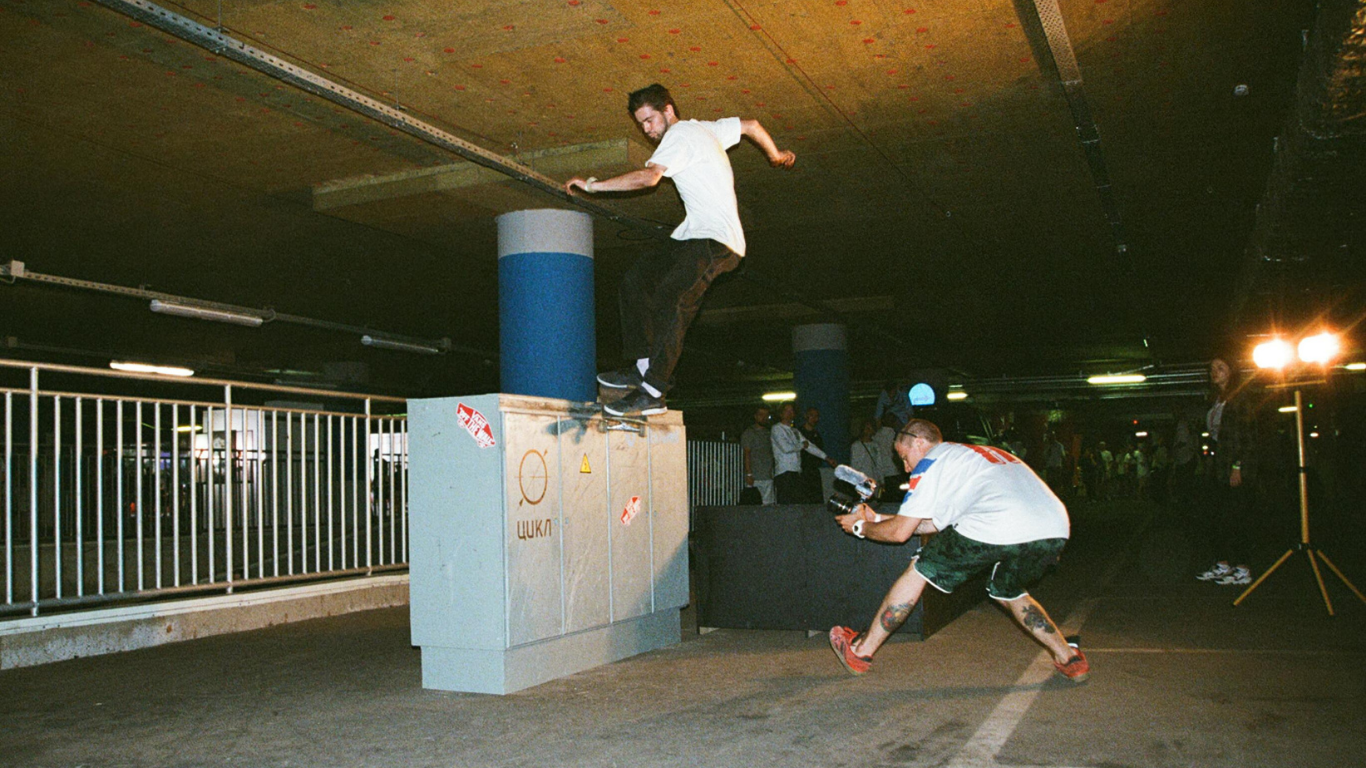
But here's the kicker: We've lost our visual vocabulary for what "real" looks like.
Marketing strategist Sam Ogborn nailed it when she said that in a world dominated by AI imagery, "perfection signals deceit."
That's not hyperbole. It's neurological.
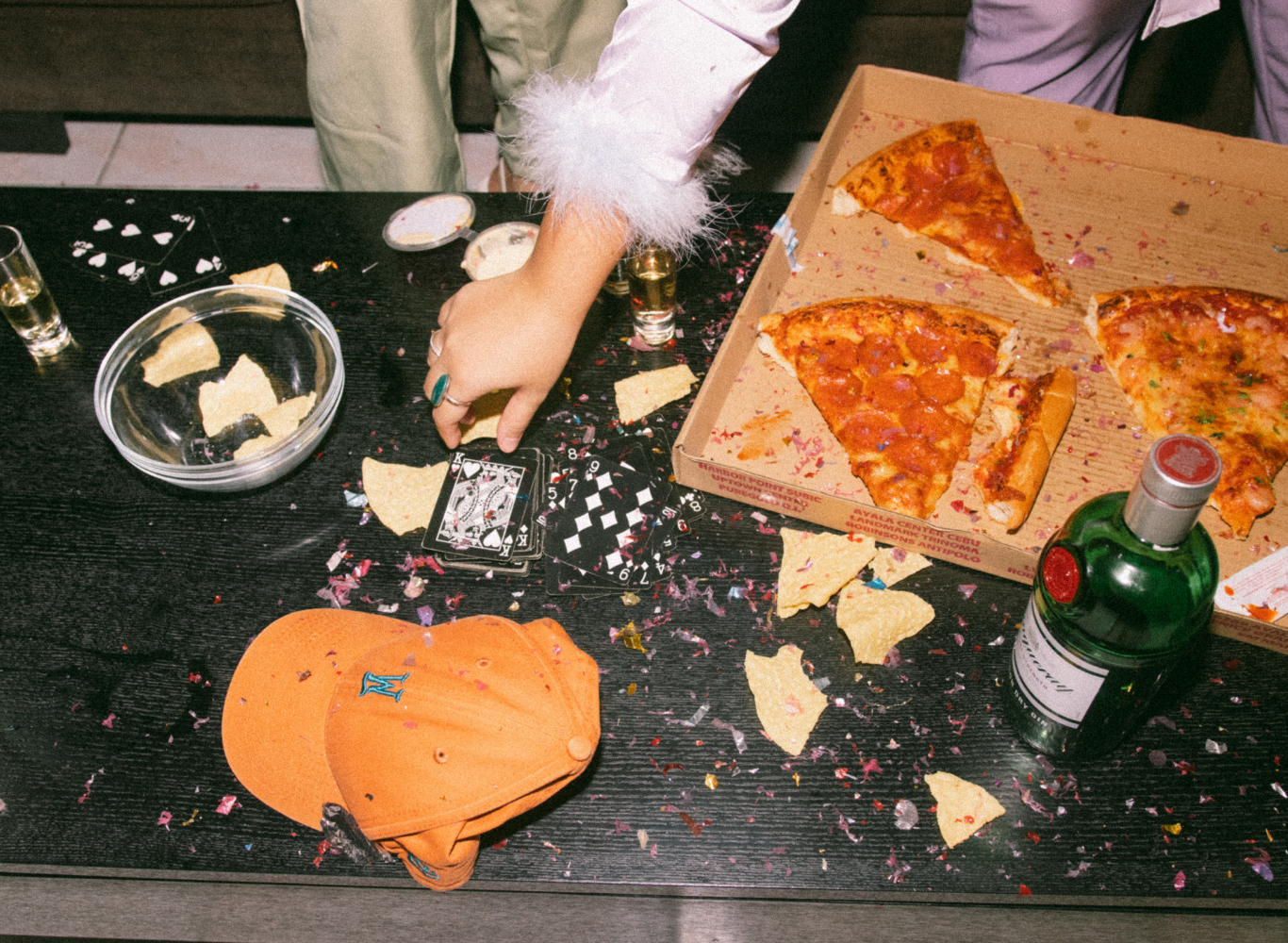
When every brand can generate flawless product shots, pristine lifestyle imagery, and perfectly-lit scenes at the click of a button, imperfection becomes the trust marker our brains are desperately searching for.
There's a reason why BeReal, the "anti-Instagram" app that forces unfiltered, dual-camera photos, exploded among Gen Z users.
Or why film photography trends are flooding TikTok.
Or why brands like The Boring Lab are creating handmade, intentionally imperfect marketing materials.
People aren't just craving authenticity in the abstract.
They're craving visual proof that a human was involved.
This connects to the Japanese design concept of wabi-sabi: finding beauty in imperfection, impermanence, and incompleteness.
In branding, wabi-sabi builds trust through authenticity.
From distressed denim to grainy social content, it signals: "This wasn't prompted into existence.

What This Means for 2026 Marketing
I’m expecting to see a sharp rise in deliberately lo-fi aesthetics that signal human involvement. (It’s definitely what’s drawing my attention these days!)
Think:
90s grunge vibes: Grainy film overlays, disposable camera flash, overexposed lighting
Home video energy: Shaky cam, natural lighting, "oops my eyes were closed" moments
Zine culture: Messy cut-and-paste collages, I-Spy style layouts, visible imperfection
Film photography aesthetics: Light leaks, date stamps, off-center compositions
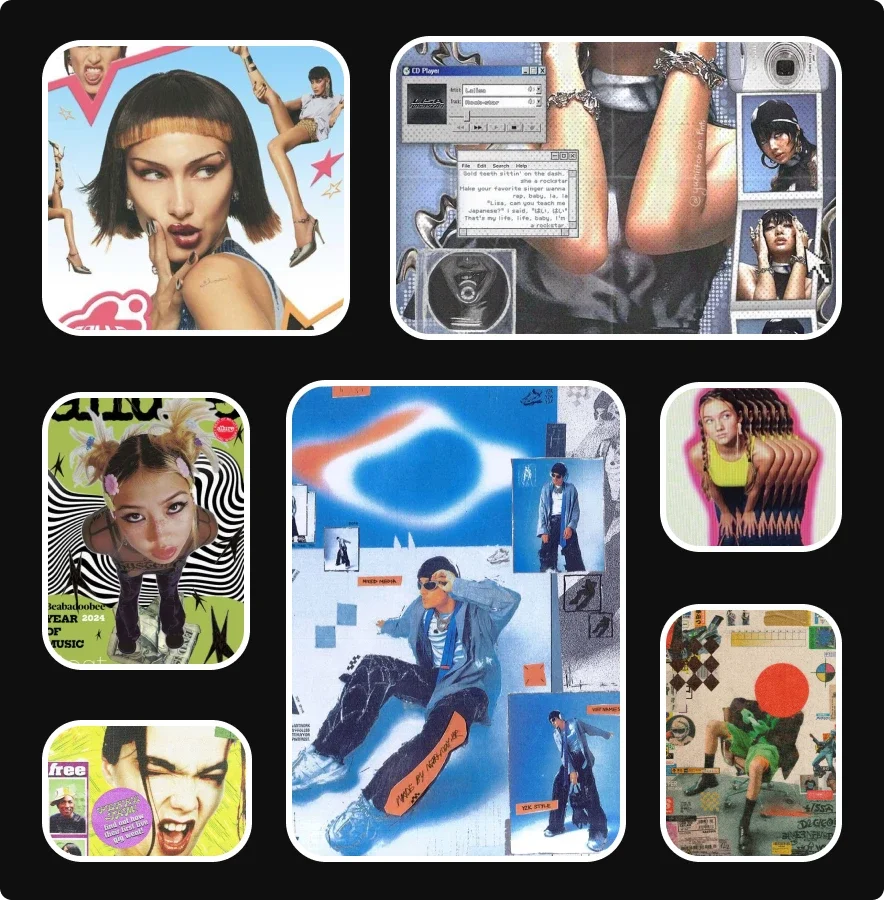
Design platform Lummi just published their 2026 graphic design trends report, and every single trend they identified points to the same cultural shift: Y2K alt zine aesthetics with "rough edges and scratchy overlays," CRT screen effects with nostalgic distortion, catalogue core layouts that feel like old mail-order catalogs, graffiti pop with spontaneous marker streaks.
They specifically call out that these styles have "a raw quality without polished gloss."
Raw. Unpolished. Imperfect.
The design world is already moving this direction. The question is whether brands will catch up in time.
tl;dr
This isn't about looking amateur. It's about deploying imperfection as a strategic trust signal.
The brands that win won't necessarily have the best production value. They'll have the production value that makes you believe a person made a choice, not an algorithm optimizing for engagement.
Because in 2026, when deepfakes are everywhere and AI can generate anything, the question customers are asking isn't "Is this beautiful?"
It's "Is this real?"
And increasingly, the answer requires proof of imperfection.
If your brand is getting attention but not preference, it’s probably not a traffic problem.
It’s a positioning one.
I help brands clarify what they stand for and turn that into marketing people remember, talk about, and choose.
If that’s the kind of marketing you want, you know where to find me.